
Celebrity
Who Is Chip Hailstone? Everything You Need to Know About the Alaska Survivalist

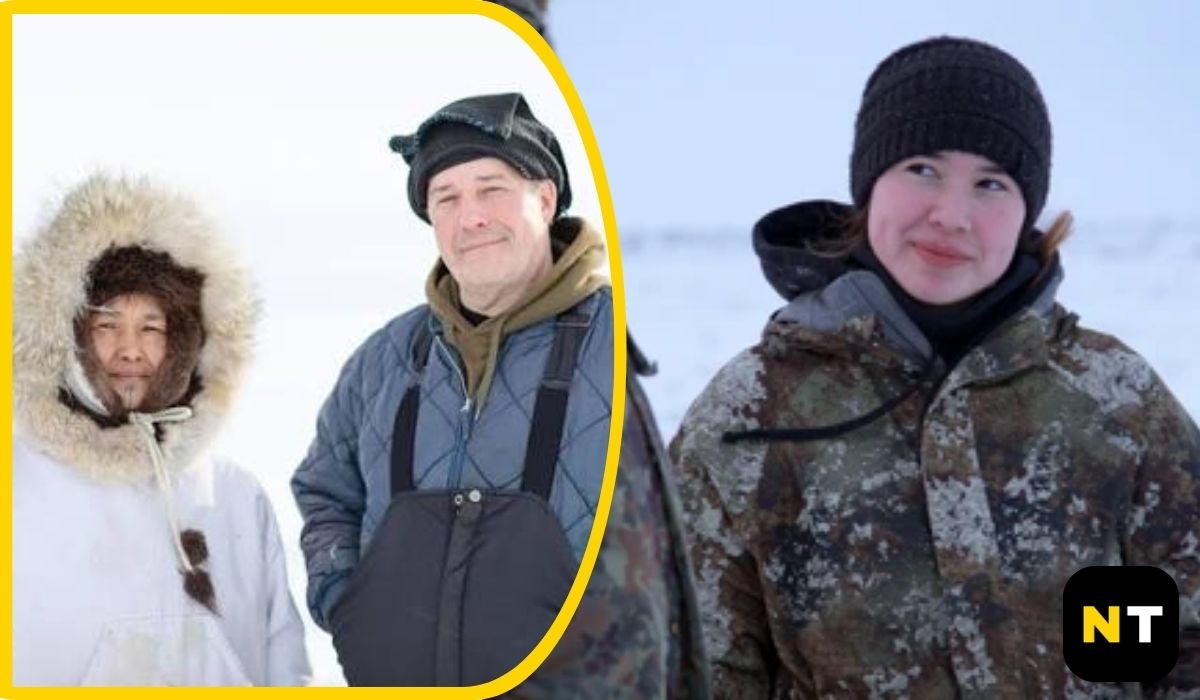
For viewers fascinated by the rugged side of Alaska, few television personalities are as recognizable as Chip Hailstone. Known for his appearances on National Geographic’s Life Below Zero, he became associated with a demanding way of life built around hunting, fishing, trapping, seasonal preparation, and family cooperation. The series follows people living in remote parts of Alaska, where weather, wildlife, distance, and limited access to supplies can turn ordinary tasks into serious challenges.
Unlike a conventional reality-TV celebrity, Hailstone’s appeal comes largely from his practical skills and willingness to show what subsistence living can involve. His story is also interesting because Alaska was not his birthplace. He was born in Montana and eventually made the northern state his home, becoming closely connected to Noorvik and the surrounding wilderness. His family life with Agnes Hailstone has also been an important part of his public story.
Quick Bio: Chip Hailstone
| Detail | Information |
|---|---|
| Full name | Edward “Chip” Hailstone |
| Known as | Chip Hailstone |
| Birth year | 1969 |
| Birthplace | Kalispell, Montana |
| Profession | Hunter, trapper, television personality |
| Best known for | Life Below Zero |
| Main Alaska connection | Noorvik and the Kobuk River region |
| Wife | Agnes Hailstone |
| Children | Five daughters with Agnes; Agnes also has two sons from an earlier relationship |
| Lifestyle | Subsistence hunting, fishing, trapping and gathering |
| Television network | National Geographic |
| Public reputation | Alaska wilderness and survival personality |
Early Life and the Move to Alaska
Hailstone was born in Kalispell, Montana, where he developed an early interest in outdoor skills. Hunting, fishing, and working with his hands became important foundations for the lifestyle he would later embrace. Rather than following a conventional urban career path, he was drawn toward the independence and challenge associated with living close to nature.
His connection with Alaska began when he was a young man. Biographical sources commonly report that he traveled to Alaska in the late 1980s and ultimately decided to remain there. That move proved to be a defining turning point. Alaska offered the type of environment in which the skills he valued could become part of everyday life rather than occasional hobbies.
Building a Life in Rural Alaska
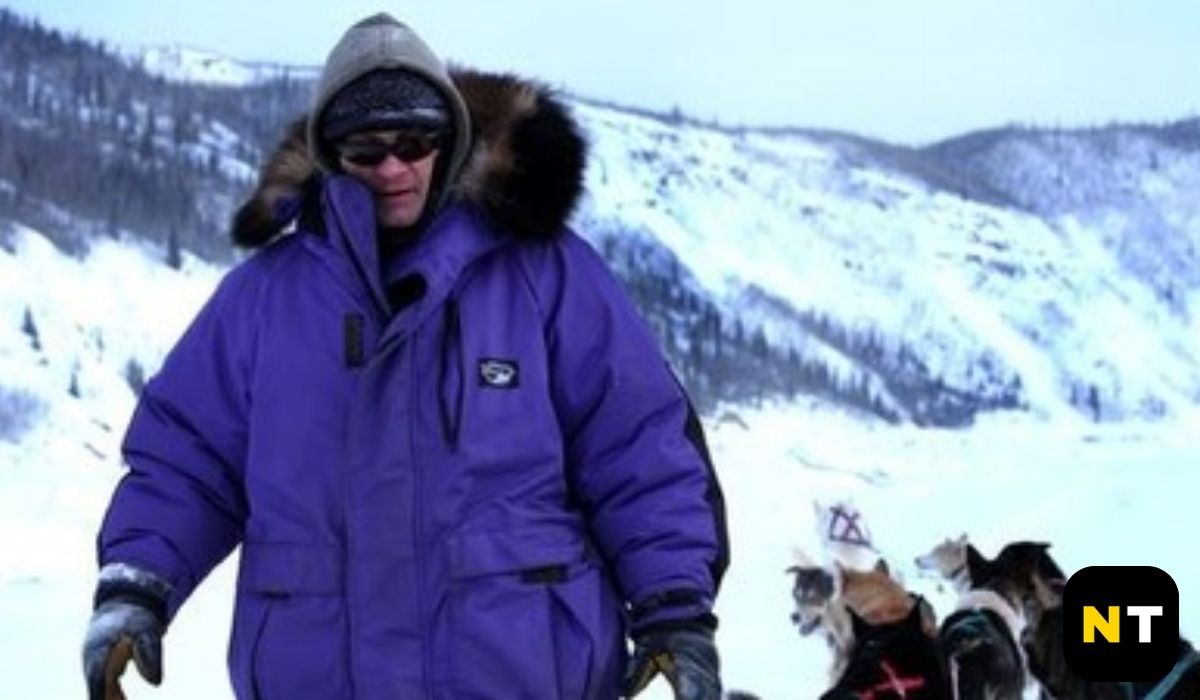
Hailstone eventually became established in the Noorvik area in northwestern Alaska. The community sits along the Kobuk River, in a region where residents have historically depended heavily on local resources and seasonal knowledge. This is very different from the Alaska experienced by visitors who mainly see cruise ports, highways, or major cities.
The setting also explains why preparation matters so much in Hailstone’s life. In remote communities, a missed opportunity during one season can create problems months later. Food preservation, equipment maintenance, transportation, fuel, clothing, and knowledge of the landscape all become part of a larger survival strategy.
Chip Hailstone and Life Below Zero
Hailstone became widely known after appearing on Life Below Zero, the National Geographic series that documents people living in remote areas of Alaska. The program focuses on the practical realities of life in extreme conditions rather than presenting wilderness living as a simple adventure. National Geographic describes the series as an exploration of Alaska’s remote corners, highlighting residents who must prepare for severe weather and obtain necessities through hunting, fishing, foraging, and other means.
The Hailstone family became one of the recognizable families featured on the program. Early episodes showed Chip and Agnes working through seasonal challenges around Noorvik, including fishing and preparing for winter. One early episode, for example, followed the couple as they worked to set whitefish nets while dealing with dangerous late-season ice conditions.
What Makes His Survival Lifestyle Different?
The most compelling part of Hailstone’s story is that wilderness survival is presented as a routine responsibility rather than a weekend experiment. His activities have included hunting, fishing, trapping, traveling across difficult terrain, preparing food, and maintaining equipment.
Several elements define this lifestyle:
- Subsistence skills: Hunting and fishing can provide important food resources for the family.
- Seasonal planning: Residents must prepare for winter well before the harshest weather arrives.
- Resourcefulness: Repairing equipment and making supplies last can be essential in remote communities.
- Family teamwork: Outdoor skills are often shared across generations rather than treated as individual achievements.
These details help explain why the Alaska survivalist image associated with Hailstone resonates with viewers. His life illustrates that wilderness living requires patience, planning, physical effort, and an understanding of the environment.
Family Life With Agnes Hailstone
Agnes Hailstone is an important part of both Chip’s personal story and his television career. She was born and raised in Alaska and has Inupiaq heritage, giving her a deep connection to the region and its traditions. Together, Chip and Agnes built a family life around the land and the seasonal rhythms of northwestern Alaska.
The couple have five daughters together, while Agnes also has two sons from a previous relationship. Chip became a father figure within the larger family, and their children have appeared in stories surrounding the Hailstone household. Their family dynamic adds another dimension to Life Below Zero because survival is not simply about one person’s abilities; it involves teaching, cooperation, responsibility, and preparation.
For viewers, Agnes also provides important context for understanding Alaska beyond the image of an isolated wilderness. Her background reflects knowledge and traditions rooted in the region, while Chip’s journey represents someone who came from outside Alaska and gradually built a life there. Their partnership brings those experiences together.
Hunting, Fishing and Subsistence Living
Much of Hailstone’s public identity is connected to subsistence living. In simple terms, subsistence activities involve obtaining food and useful materials directly from the surrounding environment. In remote Alaska, that can mean fishing rivers, hunting game, trapping, gathering resources, and preserving food for future use.
National Geographic specifically highlights the Hailstones’ use of fishing and bartering in its description of Life Below Zero. The significance of those activities goes beyond television. In a remote community, harvesting food can reduce dependence on distant stores and create a stronger connection between families, seasons, and the local environment.
At the same time, Alaska subsistence living should not be romanticized as effortless wilderness freedom. Cold temperatures, thin ice, dangerous wildlife, mechanical failures, transportation problems, and long distances can create genuine risks. The Hailstone family’s experience demonstrates why practical knowledge is often more valuable than expensive equipment when conditions become difficult.
A Major Legal Chapter in His Life
Hailstone’s biography also includes a serious legal episode that temporarily changed his life and his role on television. The case arose from events in Noorvik in 2011 involving members of his family and Alaska State Troopers. The Alaska Court of Appeals record describes an incident involving a fight, weapons, Hailstone’s stepson, and his daughter, followed by an investigation by state troopers.
Hailstone was ultimately convicted on charges involving false statements and perjury. The appellate court record states that his convictions were affirmed. Reports about the case have sometimes reduced the complicated legal history to a simple “why did Chip go to jail?” headline, but the underlying proceedings were considerably more involved. For an accurate biography, it is important to distinguish documented court findings from Hailstone’s own account of the events.
His absence from the series during his incarceration became noticeable to viewers. Agnes continued handling many responsibilities during that period, illustrating how quickly one person’s absence can affect a family living in a demanding environment.
Life Below Zero and the Reality of Alaska
One reason Life Below Zero attracted such a strong audience is that it presents a side of Alaska that many Americans never experience firsthand. Alaska is enormous, and life in a remote community can look completely different from life in Anchorage, Juneau, or the state’s better-known tourist destinations.
Hailstone’s story gives viewers a window into that remote lifestyle. His daily concerns can include food, weather, transportation, equipment, wildlife, and family responsibilities rather than the concerns typically associated with a television celebrity. National Geographic’s own description emphasizes that the show’s participants face extreme cold, isolation, and the challenge of securing basic necessities.
That distinction is important when considering his popularity. People are not necessarily watching simply to see someone “survive Alaska.” They are watching to understand how a person adapts to a place where preparation is part of everyday life. In that sense, his story has educational value as well as entertainment appeal.
What Is Chip Hailstone’s Net Worth?
Questions about Chip Hailstone’s net worth frequently appear online, but there is no reliable public financial statement that establishes his exact wealth. Various entertainment websites publish estimates, but those figures should be treated cautiously because they are generally not supported by verified financial records.
His income has been associated with television appearances and his work within a subsistence lifestyle, but his public image does not center on luxury or commercial celebrity. Unlike actors or athletes who regularly disclose contracts and endorsements, wilderness television personalities often have far less transparent financial information.
For that reason, a responsible biography should avoid presenting an estimated net worth as a confirmed fact. What can be said with greater confidence is that his television career significantly increased his public profile and introduced his family’s unusual Alaska lifestyle to a large national audience.
Why Chip Hailstone Remains Interesting to Viewers
The enduring interest in Hailstone comes from the contrast between his life and the routines familiar to most Americans. He lives in a place where seasonal preparation can determine whether a family has enough food, working equipment, and safe transportation when winter becomes severe. That reality makes his experiences inherently different from ordinary suburban or city life.
His story also shows that wilderness expertise is not simply about physical toughness. It involves knowing when to travel, how to preserve resources, how to respond when plans fail, and how to work with family members. Those lessons make the Hailstone family’s segments on Life Below Zero more than a collection of dramatic outdoor scenes.
Perhaps most importantly, his biography demonstrates that Alaska is not one single experience. The state contains modern cities, Native communities, remote villages, commercial industries, and people who maintain highly traditional relationships with the land. Hailstone’s life represents one small but fascinating part of that much larger picture.
Final Thoughts
Chip Hailstone’s journey from Montana to rural Alaska is a story of adaptation, family, wilderness skills, and persistence. His fame came through Life Below Zero, but the foundation of his public identity is the life he built away from conventional city routines. Hunting, fishing, trapping, seasonal preparation, and family cooperation became central themes in the way audiences came to understand him.
His biography is also more complicated than the “Alaska survivalist” label suggests. His marriage to Agnes, their children, his years in Noorvik, his television career, and his legal history all contribute to a fuller picture. Rather than treating his life as an exaggerated survival fantasy, it is more useful to view it as an example of how people can adapt to one of the most demanding environments in the United States.
For viewers interested in Alaska wilderness living, subsistence hunting, Life Below Zero, and the realities of remote life, Hailstone remains a particularly compelling figure. His story continues to offer a glimpse into a world where preparation, knowledge, and cooperation can matter far more than convenience.
Frequently Asked Questions About Chip Hailstone
1. Who is Chip Hailstone?
Chip Hailstone is an American hunter, trapper, and television personality best known for appearing on National Geographic’s Life Below Zero. He became known for documenting his family’s subsistence lifestyle in remote northwestern Alaska.
2. Where is Chip Hailstone from?
He was born in Kalispell, Montana, before eventually moving to Alaska as a young man. His later life became closely associated with Noorvik and the Kobuk River region.
3. Who is Chip Hailstone’s wife?
His wife is Agnes Hailstone, an Alaska-born woman of Inupiaq heritage. Their family life and shared approach to hunting, fishing, and subsistence living have been featured prominently on Life Below Zero.
4. How many children does Chip Hailstone have?
Chip and Agnes have five daughters together. Agnes also has two sons from a previous relationship, making the Hailstone family a larger household whose members have been part of their Alaska story.
5. Why did Chip Hailstone go to prison?
Hailstone was convicted in connection with a legal case stemming from a 2011 incident in Noorvik. The Alaska Court of Appeals record states that his convictions involving false statements and perjury were affirmed.
6. Is Chip Hailstone still known for Alaska survival?
Yes. His public identity remains strongly associated with wilderness living, subsistence activities, and Life Below Zero. His story continues to attract people interested in Alaska’s remote communities and the practical skills required to live in demanding conditions.

Who Is Josie Lynn Shalhoub? Everything About Tony Shalhoub’s Daughter

Who Is Sally Rychlak? Inside Her Life, Career, Family, and Connection to Lane Kiffin

Who Is Kaden Brent Carter? Everything About Nick Carter’s Family

Who Is Catherine Hawn? Everything About Dean Martin’s Former Wife

Who Was Josephine Alicia Saenz? Everything About John Wayne’s First Wife

Who Was James Westley Welch? Everything About Raquel Welch’s First Husband

Who Is Atila Altaunbay? Everything About Grace Jones’ Former Husband

Who Is Merrianne Jessop? Everything About Warren Jeffs’ Youngest Wife

Who Is Alvaro Alcaraz Garfia? Everything About Carlos Alcaraz’s Brother

Who Is Natasha Caine? Everything About Michael Caine’s Daughter

Who Is Henry James Zahn? All About Steve Zahn’s Son and Family

Who Is Clementine Poppy De Vere Drummond? All About Claudia Schiffer’s Daughter

Who Is Amy Sherrill? All About Tim Duncan’s Ex-Wife and Their Relationship

Who Is Miah Harbaugh? Everything You Need to Know About Jim Harbaugh’s Daughter

Who Is Elizabeth Rose Cameron? All About James Cameron’s Daughter

Who Is Najee Laurent Todd Eugene Smith? All About LL Cool J’s Son

Who Is Forest Leonardo Antonio Rotella? All About Holly Madison’s Son

Who Is Paco Zazueta? All About Melissa Barrera’s Husband and Their Relationship

Who Is Nidia Del Carmen Ripoll Torrado? All About Shakira’s Mother

Who Is Brandon Edmonds? Everything to Know About Tracey Edmonds’ Son
Who Is Josie Lynn Shalhoub? Everything About Tony Shalhoub’s Daughter
Who Is Sally Rychlak? Inside Her Life, Career, Family, and Connection to Lane Kiffin
Who Is Kaden Brent Carter? Everything About Nick Carter’s Family
Who Is Catherine Hawn? Everything About Dean Martin’s Former Wife
Who Was Josephine Alicia Saenz? Everything About John Wayne’s First Wife
Who Was James Westley Welch? Everything About Raquel Welch’s First Husband
Who Is Atila Altaunbay? Everything About Grace Jones’ Former Husband
Who Is Merrianne Jessop? Everything About Warren Jeffs’ Youngest Wife
Who Is Alvaro Alcaraz Garfia? Everything About Carlos Alcaraz’s Brother
Who Is Natasha Caine? Everything About Michael Caine’s Daughter
-
 Celebrity3 weeks ago
Who Is Henry James Zahn? All About Steve Zahn’s Son and Family
-
 Celebrity3 weeks ago
Who Is Clementine Poppy De Vere Drummond? All About Claudia Schiffer’s Daughter
-
 Celebrity2 weeks ago
Who Is Amy Sherrill? All About Tim Duncan’s Ex-Wife and Their Relationship
-
 Celebrity2 weeks ago
Who Is Miah Harbaugh? Everything You Need to Know About Jim Harbaugh’s Daughter