Health
What Is Koriandri? A Complete Guide to Coriander and Cilantro

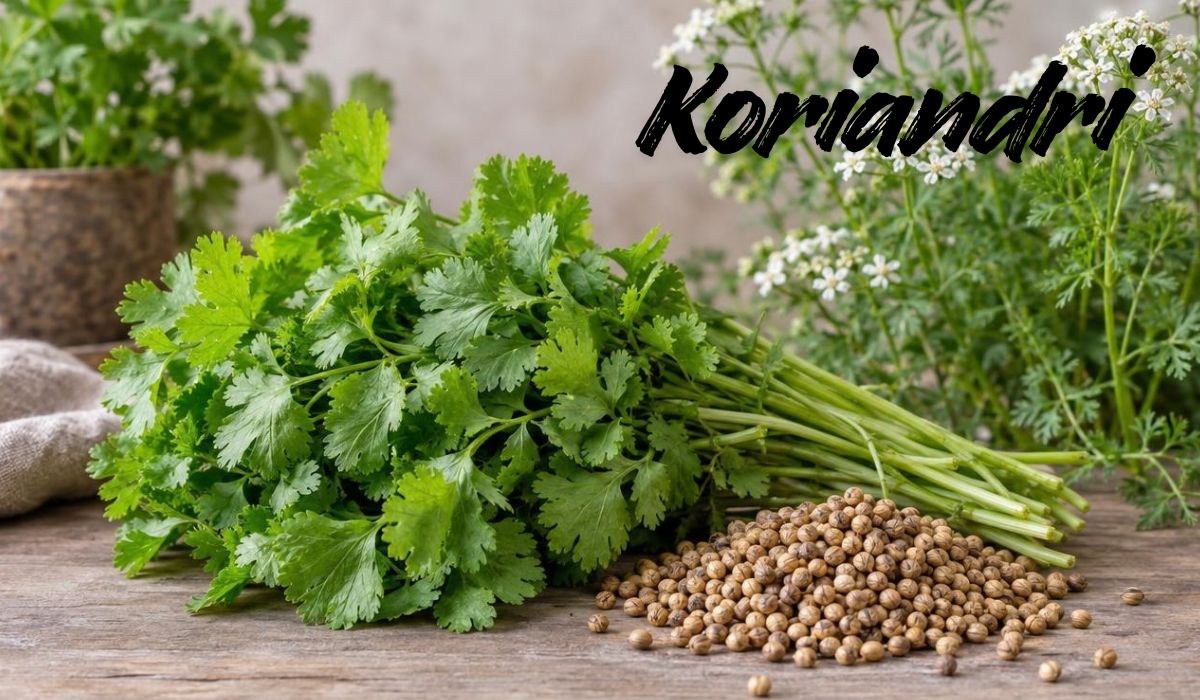
Koriandri is a name associated with one of the world’s most widely used culinary herbs: coriander, also called cilantro in the United States. Its scientific name is Coriandrum sativum, and the plant belongs to the Apiaceae family, the same broad plant family that includes carrots, celery, parsley, and several other familiar herbs and vegetables. What makes this plant especially interesting is that different parts of it are used in different ways. Fresh leaves and tender stems are commonly used as an herb, while the dried fruits, commonly called coriander seeds, are used as a spice. Because names differ between countries, understanding Koriandri requires looking at both the plant itself and the way people describe it.
The name can create confusion because the terms coriander and cilantro do not mean exactly the same thing everywhere. In the United States, “cilantro” normally means the fresh green leaves and stems, while “coriander” usually means the dried seeds or ground spice. In the United Kingdom and many other countries, “coriander” can describe the fresh leaves as well as the seeds. Koriandri therefore fits into a broader naming tradition rather than representing a completely separate herb. Learning this distinction makes it easier to understand recipes, food labels, gardening advice, and nutrition information from different parts of the world.
What Is Koriandri?
At its simplest, Koriandri is connected with the coriander plant, an annual herb grown for its fragrant leaves, flowers, and seeds. The plant is relatively small and fast-growing, making it suitable for home gardens, containers, kitchen windowsills, and commercial farming. Its delicate green leaves have a bright, fresh flavor, while mature coriander seeds develop a warmer, sweeter, and slightly citrus-like aroma. The contrast between the fresh herb and the dried spice is one of the reasons the plant has remained important in so many cuisines.
The plant has a long history of culinary use across Europe, Asia, the Middle East, Africa, and the Americas. Its exact ancient origin is discussed in botanical literature, with Mediterranean and nearby regions commonly associated with its early history. Over time, coriander spread widely through trade, agriculture, and cooking traditions. Today, it is especially familiar in South Asian, Middle Eastern, Latin American, Southeast Asian, and Mediterranean food. It is used in everything from curries and chutneys to salsa, soups, salads, spice blends, marinades, and baked foods.
Koriandri, Coriander, and Cilantro: What Is the Difference?
The most important distinction is not that these names describe different plants. They generally refer to different parts or naming traditions associated with the same species. The fresh leafy portion is called cilantro in American English, whereas coriander often refers to the seeds. In British English, however, coriander commonly refers to the fresh leaves too. This means a recipe from the United States may ask for cilantro while a British recipe may simply say fresh coriander.
The seeds are not simply dried versions of the leaves in terms of flavor. They have their own aroma and taste, with warm, slightly sweet, citrus-like notes that become more noticeable after roasting or grinding. Fresh leaves have a much brighter and greener flavor. Some people also perceive cilantro as soapy or unpleasant, while others find it fresh and aromatic. This difference in taste perception is partly associated with genetic variation in how certain aroma compounds are detected, which helps explain why reactions to fresh cilantro can be surprisingly different.
What Does Koriandri Taste Like?
Fresh Koriandri, or cilantro, has a distinctive flavor that can be described as green, fresh, citrusy, herbal, and slightly peppery. It is often added near the end of cooking because prolonged high heat can reduce some of its fresh aroma. The leaves and tender stems are frequently chopped and scattered over finished dishes, mixed into sauces, or blended into fresh condiments. Its strong character means that even a small amount can noticeably change the taste of a meal.
Coriander seeds have a different personality. Whole seeds have a warm fragrance, while lightly toasted seeds can become more aromatic and complex. Ground coriander is commonly used with cumin, turmeric, chili, cardamom, and other spices. Because its flavor is relatively gentle compared with some stronger spices, coriander can add depth without completely dominating a dish. This makes it useful in both savory and sweet recipes.
How Is Koriandri Used in Cooking?
One of the biggest reasons coriander remains popular is its versatility. Fresh leaves can be added to tacos, salsa, guacamole, soups, noodles, rice dishes, curries, chutneys, salads, and grilled foods. In South Asian cooking, fresh coriander is often used as a finishing herb, while the seeds may be roasted, ground, or added whole to spice mixtures. Thai and Vietnamese cooking also makes use of different parts of the plant, including leaves and roots in some traditional preparations.
Coriander seeds have an equally broad culinary role. They can be ground into powder, toasted before use, or added whole to dishes such as curries, stews, pickles, sausages, soups, breads, and spice blends. They are an important ingredient in many curry powders and masala mixtures. The seeds can also be used in some baked foods and beverages. Because the leaves and seeds have different flavors, they should not automatically be treated as interchangeable ingredients in recipes.
Koriandri Nutrition and Potential Benefits
Fresh cilantro is used in relatively small amounts, so it is usually better viewed as a flavorful food rather than a major source of daily calories or nutrients. Even so, fresh herbs can contribute vitamins, minerals, and plant compounds to the diet. Cilantro also contains antioxidant compounds, and using flavorful herbs can help people build satisfying meals without depending entirely on salt for taste. Coriander seeds contain a different nutritional profile and provide minerals, fats, and aromatic plant compounds.
Research into coriander has also examined possible antioxidant, antimicrobial, blood-sugar, digestive, and cardiovascular effects. However, evidence from laboratory studies, animal research, traditional medicine, and human clinical research should not be treated as equally strong. Coriander should therefore not be presented as a cure for diabetes, high cholesterol, digestive disease, or another medical condition. It can be part of a balanced diet, but health claims should remain realistic and should not replace professional medical care.
Is Koriandri Good for Digestion?
Coriander has a long history of use in traditional food and healing practices, particularly for digestive comfort. Its seeds contain aromatic compounds that have been studied for their biological activity, and coriander has traditionally appeared in preparations intended to support digestion. Modern research continues to examine these properties, but traditional use alone does not prove that a herb can treat a medical disorder.
For everyday eating, coriander can be a useful addition because it brings flavor and variety to meals. Fresh leaves can brighten heavier foods, while coriander seeds can add warmth to soups, lentil dishes, curries, and vegetables. Anyone with a diagnosed digestive condition should still follow individualized medical advice rather than relying on coriander or herbal preparations as treatment.
Koriandri and Traditional Uses
Coriander has been used traditionally in several cultures for much more than flavor. Historical and traditional systems have used different parts of the plant in preparations associated with digestion, cooling foods, and general wellness. Its seeds and leaves have appeared in various cultural food practices, while coriander oil has also been used in flavoring and fragrance applications.
It is important to separate traditional knowledge from modern medical evidence. A plant can have a long history of use without every traditional claim being scientifically established. Today, coriander is best recognized first as a food herb and spice with a long culinary history. Research into its plant compounds is valuable, but claims about treating or preventing disease should be based on appropriate human evidence.
How to Grow Koriandri at Home
Coriander is relatively easy to grow when the conditions are suitable. It generally prefers well-drained soil and a sunny or lightly shaded position. It grows quickly from seed and can be cultivated in garden beds or containers. Because the plant develops a long root and does not always respond well to being moved, direct sowing is often preferable. Keeping the soil moderately moist without leaving it waterlogged can support steady growth.
Heat can be a challenge when the goal is to produce lots of fresh leaves. Coriander tends to bolt, meaning it begins flowering and producing seeds, more quickly in hot or dry conditions. Gardeners who want a continuous supply of leaves can make small successive sowings rather than planting everything at once. Once the plant flowers, its energy shifts toward reproduction, although the flowers and developing seeds are also useful and edible.
How to Harvest and Store Koriandri
Fresh leaves can be harvested once the plant has developed enough growth to withstand cutting. Taking leaves gradually allows the plant to continue producing for a period before flowering. Flowers can also be used in food or left on the plant so that seeds can develop. Mature coriander seeds are usually harvested when they have dried and developed their characteristic brownish color. They should be thoroughly dried before long-term storage.
Fresh leaves are delicate and usually have a much shorter storage life than dried coriander seeds. Keeping fresh bunches cool and protected from excessive moisture can help preserve quality for several days. Dried seeds should be kept in an airtight container away from heat, moisture, and strong light. Whole seeds generally retain their aroma longer than ground coriander, so grinding them shortly before cooking can provide a stronger flavor.
Why Is Koriandri Used Around the World?
Few herbs demonstrate the connection between food, culture, and agriculture as clearly as coriander. In South Asian cooking, coriander leaves and seeds appear in curries, chutneys, spice blends, dals, rice dishes, and vegetable preparations. Middle Eastern cuisines use coriander in spice mixtures, cooked dishes, pickles, and sauces. Latin American cooking frequently uses fresh cilantro in salsas, beans, meats, and other foods.
Its international popularity also comes from the fact that different parts of the same plant can serve different culinary purposes. Fresh leaves provide brightness, seeds provide warmth, and roots are used in certain Southeast Asian traditions. The plant can therefore move easily between fresh herb, dry spice, garnish, seasoning, and ingredient. That flexibility has helped coriander become a familiar ingredient across many food cultures.
Koriandri Safety and Sensible Use
For most people, coriander used as an ordinary culinary ingredient is considered a normal part of a varied diet. As with any food, however, individual sensitivities and allergies can occur. Fresh herbs should be handled and washed properly, particularly because they are often eaten raw. Good food hygiene is especially important for fresh produce used as garnishes or in uncooked sauces.
Concentrated coriander oils, extracts, and supplements are different from using ordinary amounts of the herb in food. Their effects and appropriate use can vary, and people taking medicines or managing medical conditions should speak with a qualified healthcare professional before using concentrated herbal products regularly. Food use and medicinal dosing should not be treated as the same thing.
Final Thoughts
Koriandri is best understood as part of the wider coriander and cilantro story surrounding Coriandrum sativum. The plant is simple in appearance but remarkably versatile, producing fresh leaves, aromatic flowers, flavorful seeds, and, in some culinary traditions, useful roots. The biggest source of confusion is its name: Americans usually distinguish cilantro from coriander, while British and many international sources use coriander for the fresh herb as well.
Whether you know it as Koriandri, coriander, cilantro, dhania, or another regional name, the plant has a clear place in global cooking. Its fresh leaves can add brightness to a finished meal, while its seeds provide a warm and citrus-like spice. It is also easy enough for many home gardeners to grow from seed. Understanding the differences between the plant’s parts and regional names makes it easier to choose, cook, grow, and store this useful herb.
(FAQs)
Is Koriandri the same as coriander?
Yes. Koriandri is associated with the coriander plant, whose scientific name is Coriandrum sativum. Depending on the country, the fresh leaves may be called cilantro or coriander, while the dried seeds are commonly called coriander.
Is Koriandri the same as cilantro?
In the context of the common herb, yes. Cilantro is the term widely used in the United States for the fresh leaves and stems of Coriandrum sativum. Other countries often use the word coriander for the same fresh green herb.
What is Koriandri used for?
It is used to flavor curries, chutneys, salsa, soups, salads, rice dishes, meat, vegetables, noodles, sauces, and spice blends. Fresh leaves are usually used as an herb, while dried coriander seeds are used as a spice.
What does Koriandri taste like?
Fresh leaves have a bright, green, citrusy, and herbal flavor, although some people perceive them as soapy. Coriander seeds taste different, with a warmer, mildly sweet, citrus-like and aromatic flavor.
Can you grow Koriandri at home?
Yes. Coriander grows well from seed in containers or garden soil when provided with good drainage, suitable moisture, and adequate light. In hot conditions, it may flower quickly, so repeated sowing can help maintain a supply of fresh leaves.
Are Koriandri and coriander seeds the same thing?
They come from the same plant, but the terms usually describe different parts or forms. Fresh leaves are commonly called cilantro in the United States, while mature dried fruits are commonly used as coriander seeds. Their flavors and cooking applications are quite different.


Who Is Josie Lynn Shalhoub? Everything About Tony Shalhoub’s Daughter

Who Is Sally Rychlak? Inside Her Life, Career, Family, and Connection to Lane Kiffin

Who Is Kaden Brent Carter? Everything About Nick Carter’s Family

Who Is Catherine Hawn? Everything About Dean Martin’s Former Wife

Who Was Josephine Alicia Saenz? Everything About John Wayne’s First Wife

Who Was James Westley Welch? Everything About Raquel Welch’s First Husband

Who Is Atila Altaunbay? Everything About Grace Jones’ Former Husband

Who Is Merrianne Jessop? Everything About Warren Jeffs’ Youngest Wife

Who Is Alvaro Alcaraz Garfia? Everything About Carlos Alcaraz’s Brother

Who Is Natasha Caine? Everything About Michael Caine’s Daughter

Who Is Henry James Zahn? All About Steve Zahn’s Son and Family

Who Is Clementine Poppy De Vere Drummond? All About Claudia Schiffer’s Daughter

Who Is Amy Sherrill? All About Tim Duncan’s Ex-Wife and Their Relationship

Who Is Miah Harbaugh? Everything You Need to Know About Jim Harbaugh’s Daughter

Who Is Forest Leonardo Antonio Rotella? All About Holly Madison’s Son

Who Is Elizabeth Rose Cameron? All About James Cameron’s Daughter

Who Is Najee Laurent Todd Eugene Smith? All About LL Cool J’s Son

Who Is Mikhail Shelkov? Biography, Career, Net Worth, and Personal Life

Who Is Paco Zazueta? All About Melissa Barrera’s Husband and Their Relationship

Who Is Nidia Del Carmen Ripoll Torrado? All About Shakira’s Mother
Who Is Josie Lynn Shalhoub? Everything About Tony Shalhoub’s Daughter
Who Is Sally Rychlak? Inside Her Life, Career, Family, and Connection to Lane Kiffin
Who Is Kaden Brent Carter? Everything About Nick Carter’s Family
Who Is Catherine Hawn? Everything About Dean Martin’s Former Wife
Who Was Josephine Alicia Saenz? Everything About John Wayne’s First Wife
Who Was James Westley Welch? Everything About Raquel Welch’s First Husband
Who Is Atila Altaunbay? Everything About Grace Jones’ Former Husband
Who Is Merrianne Jessop? Everything About Warren Jeffs’ Youngest Wife
Who Is Alvaro Alcaraz Garfia? Everything About Carlos Alcaraz’s Brother
Who Is Natasha Caine? Everything About Michael Caine’s Daughter
-
 Celebrity3 weeks ago
Who Is Henry James Zahn? All About Steve Zahn’s Son and Family
-
 Celebrity3 weeks ago
Who Is Clementine Poppy De Vere Drummond? All About Claudia Schiffer’s Daughter
-
 Celebrity2 weeks ago
Who Is Amy Sherrill? All About Tim Duncan’s Ex-Wife and Their Relationship
-
 Celebrity2 weeks ago
Who Is Miah Harbaugh? Everything You Need to Know About Jim Harbaugh’s Daughter