Tech
How to Download and Install BVostfus Python Without Common Errors

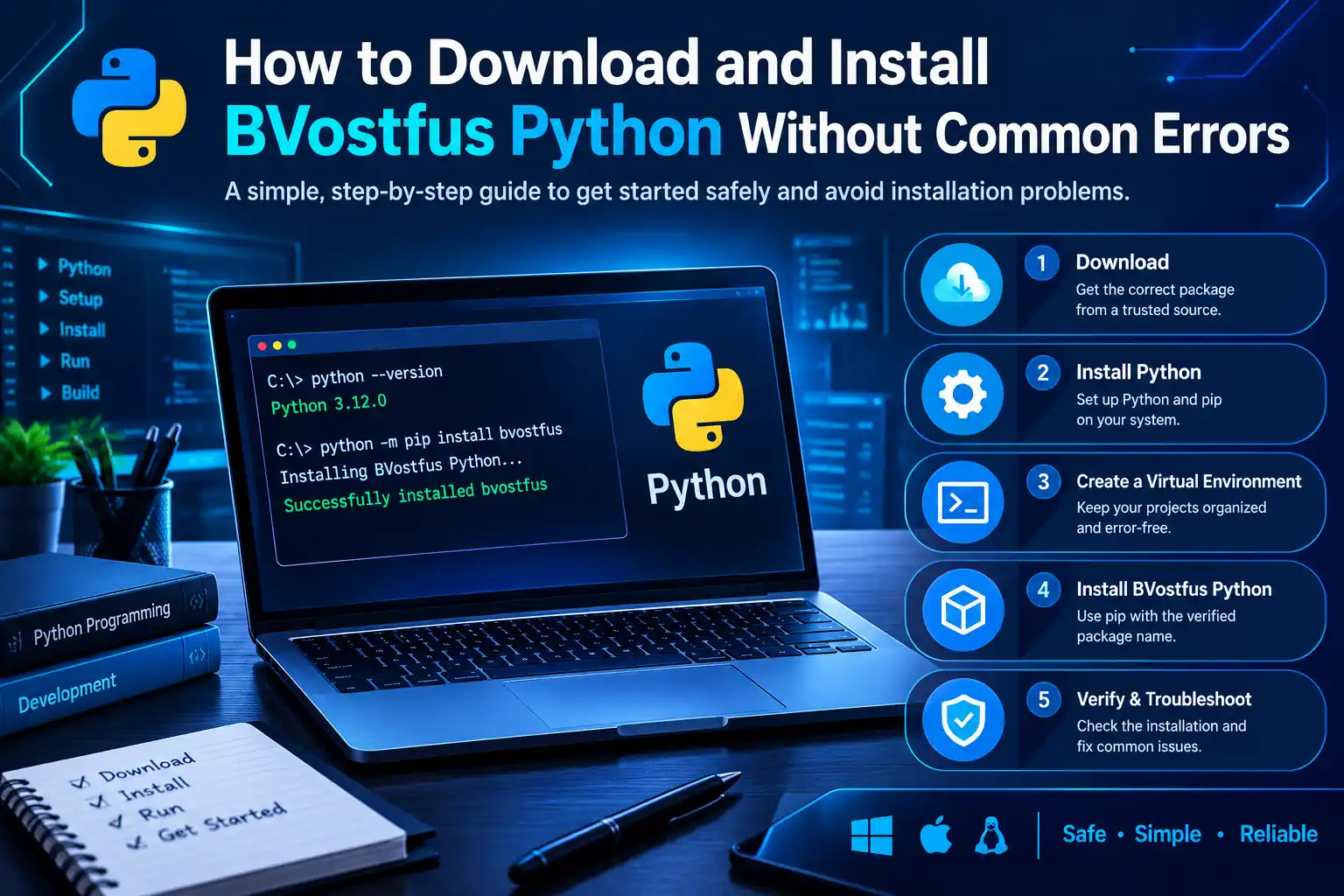
Installing a new Python tool can be confusing, especially when the software has limited documentation or unclear installation instructions. If you are trying to install BVostfus Python, you may be looking for a simple way to download the software, prepare your computer, and get everything working without technical problems. Before starting, however, it is important to confirm what BVostfus Python actually refers to. There is no clearly verified, established Python package under this name in the public package information I could identify. This means you should not assume that a particular installation command will work.
This guide explains how to investigate BVostfus Python, prepare a working Python environment, check whether a download is trustworthy, and troubleshoot common installation errors. The instructions cover Windows, macOS, and Linux, making them useful for beginners in the United States, the United Kingdom, and other countries. You will also learn how to recognize a genuine Python package, avoid unsafe downloads, and find the correct installation method when the software’s official details are available.
What Is BVostfus Python?
BVostfus Python is a name that appears in online discussions about Python installation, but its identity as a specific software package, library, or development framework is not established by the information available for this guide. There is not enough verified documentation to confidently describe its features, developer, supported operating systems, or intended purpose. It would therefore be misleading to present it as a confirmed Python tool or promise that installing it will provide particular functions.
The name might refer to a misspelled package, a private development project, an internal company tool, or software that is distributed outside public package repositories. It is also possible that the term has been repeated by websites without a confirmed software release behind it. These possibilities are not proof that the project exists. The safest first step is to identify the original project page, developer, or installation instructions before downloading anything.
What You Need Before Installing BVostfus Python
Before attempting an installation, make sure your computer has a supported version of Python and access to a terminal or command prompt. Python is the programming language, while a package is an additional component that can provide specific features. These are different things, and installing Python itself does not automatically install every package you may need.
You should also know where the software comes from. A trustworthy project normally provides a clear package name, a description of its purpose, installation instructions, version information, and details about its maintainer. A public package may also have a release history and a repository containing its source code. These details help you decide whether the download matches the software you intended to install.
Keep the following checks in mind before proceeding:
- Confirm the exact spelling of the project and package name.
- Look for installation instructions published by the original developer.
- Check the supported Python versions and operating systems.
- Review the package’s release history and dependencies, if available.
- Avoid unknown executable files, copied commands, and requests for unnecessary administrator access.
These checks can prevent wasted time and reduce the risk of installing unrelated or harmful software. You do not need advanced programming knowledge to perform them. Even a beginner can compare a package name with the developer’s documentation before running an installation command.
How to Check Whether BVostfus Python Is Available
The first practical step is to search for the exact project name in a recognized Python package directory. The Python Package Index, commonly called PyPI, hosts many packages that developers install using Python’s package installer. Search for both bvostfus and bvostfus-python, because a project’s public name and its import name can sometimes differ.
If you find a possible match, do not install it immediately. Read its description and verify that the publisher, purpose, supported versions, and release information agree with the project you are trying to use. You can also look for an official source repository or documentation that explains how the software works. A similar name alone is not sufficient evidence that a package is genuine.
If no matching project appears, do not treat that result as proof that the software is available under another name. It may be private, unpublished, renamed, or incorrectly described elsewhere. Ask the person or website that mentioned BVostfus Python for the original project location and exact package identifier. Until you can confirm those details, there is no verified BVostfus-specific installation command to recommend.
How to Install Python on Windows
If Python is not already installed, begin by checking your computer. Open the Windows Start menu, search for Command Prompt, and launch it. Enter the following command:
py --versionIf Windows displays a Python version, a Python launcher is available. If the command is not recognized, Python may be missing, or the launcher may not be configured correctly. In that case, obtain a suitable Python installer from the official Python distribution and follow its setup instructions. Choose a version supported by the software you eventually intend to use.
During installation, pay attention to the options presented by the installer. Adding Python to the system PATH can make it easier to run Python commands from a terminal. The exact options depend on the installer and operating system configuration. Once installation finishes, close and reopen Command Prompt, then run py --version again.
You can also check whether Python’s package installer is available by running:
py -m pip --versionA version number and a file location usually indicate that pip is available. If the command reports that pip cannot be found, the Python installation may need repair or pip may need to be enabled. Do not try to solve this by downloading an unrelated installer from an unfamiliar website.
How to Prepare Python on macOS and Linux
On macOS, open Terminal and check whether Python 3 is available by entering python3 --version. On many Linux distributions, the same command checks the installed Python 3 interpreter. Some systems also provide a python command, but its meaning can vary, so using python3 makes the intended version clearer.
If Python is missing, follow the installation method recommended for your operating system. macOS users can obtain a compatible official Python distribution, while Linux users should normally use the package manager recommended by their distribution. Avoid replacing operating-system-managed Python components simply to install one unfamiliar application.
After checking Python, verify pip with python3 -m pip --version. If it works, you can use it to install verified packages. If it does not, consult the installation guidance for your operating system and Python version. Some Linux systems restrict changes to their system-managed Python environment, so creating a virtual environment is often the better approach.
How to Create a Safe Python Virtual Environment
A virtual environment gives an individual project its own space for Python packages. This helps prevent one project from interfering with another and reduces the need to change system-wide Python settings. It is particularly useful when testing unfamiliar software or working on multiple development projects.
First, create a folder for your project and open a terminal in that folder. On Windows, run:
py -m venv .venvOn macOS or Linux, run:
python3 -m venv .venvThese commands create an environment named .venv. They do not install BVostfus Python; they simply prepare an isolated place where verified dependencies can be installed.
To activate the environment on Windows, use:
.venv\Scripts\activateOn macOS or Linux, use:
source .venv/bin/activateWhen activation works, the terminal commonly displays the environment name at the beginning of the command prompt. You can then install a confirmed package without intentionally placing it in your system-wide Python installation. When you finish working, enter deactivate to leave the environment.
How to Install a Verified Python Package
Once you have identified the correct package name and confirmed its source, you can use pip to install it. For example, the general installation pattern is:
python -m pip install package-nameReplace package-name with the actual, verified name of the package you need. The example is a template, not a working command for BVostfus Python. Do not enter bvostfus simply because it appears in the search term; first confirm that the developer has published a package under that exact name.
Using python -m pip helps ensure that pip runs through the Python interpreter selected by the command. This is useful when a computer has several Python versions installed. If the developer provides a different method, such as installing from an official source repository or using a project-specific installer, follow the documented instructions instead.
Some projects require additional system libraries, specific Python versions, or environment variables. Others provide a requirements file that lists the packages needed by the application. Follow these requirements only when they come from a source you have verified. Do not assume every Python project can be installed with one generic command.
Common BVostfus Python Installation Errors and Fixes
One frequent problem is an error stating that no matching distribution was found. This can happen when a package name is incorrect, a release is unavailable for the current Python version, or the package does not provide a compatible distribution. If you see this message while trying to install BVostfus, check the spelling and confirm that the package actually exists before changing your Python configuration.
Another common error is that Python or pip is not recognized. On Windows, the py launcher may work even when python does not. On macOS and Linux, python3 is often the appropriate command. Check the installed version first and use the command that works on your computer. Reinstalling Python repeatedly without identifying the cause may create additional confusion.
A permissions error can occur when pip tries to write into a protected directory. Instead of immediately running the terminal as an administrator or using elevated privileges, create a virtual environment and install the verified package there. This keeps the installation separate and can avoid unnecessary changes to your computer.
A network error may indicate an unstable internet connection, a proxy restriction, a firewall rule, or a temporary problem with the package server. Check your connection and retry after confirming the package’s official source. If the error continues, review the full message instead of assuming that the package name is the problem. Different errors require different solutions.
How to Verify an Installation
After installing a confirmed package, check whether pip reports that the installation completed successfully. You can also run the following command to review packages installed in the active environment:
python -m pip listLook for the package’s verified distribution name in the results. Keep in mind that the distribution name used by pip can differ from the name used in a Python import statement. A successful installation does not always mean the program is ready to run, because some projects require configuration or additional dependencies.
To test a package, use the import statement or test command provided by its official documentation. Do not guess the import name based only on the package’s spelling. If Python reports ModuleNotFoundError, check whether the package was installed into the same environment that runs your program. Also confirm that the documentation gives the correct module name.
For BVostfus Python specifically, these verification steps should only be performed after its identity and installation method have been established. Without a verified package or source repository, there is no reliable way to confirm a successful BVostfus installation.
Safety Tips Before Downloading Unknown Python Software
Installing software from an unfamiliar source can expose your computer to unwanted programs, data collection, or damaged project files. A package does not become trustworthy simply because it has a technical name or appears in a tutorial. Take time to confirm its origin and understand what it is expected to do.
Be especially careful with commands that download and immediately execute scripts. Such commands can run code before you have inspected it. Avoid disabling antivirus protection, granting unnecessary administrator access, or entering passwords into unknown installers. If the software is intended for work or study, follow your organization’s rules for installing third-party tools.
When a project provides source code, review its documentation and release information before using it. If you are experienced enough to inspect the code, look for unexpected network activity, file access, or requests for credentials. Beginners can ask the maintainer or a trusted technical community to help verify the project. If its origin remains unclear, do not install it just to see what happens.
Final Thoughts
Installing Python packages safely starts with understanding what you are installing. Although the phrase BVostfus Python may appear in online searches, its identity as a publicly documented Python package could not be verified for this guide. That makes it important to confirm the name and source before following any installation instructions.
You can still prepare your computer by checking Python and pip, creating a virtual environment, and learning how package installation works on Windows, macOS, or Linux. These steps provide a solid foundation for legitimate Python projects and help prevent common setup problems. Once you obtain a verified BVostfus project page or repository, you can follow its actual requirements instead of relying on guessed commands.
The most reliable solution is not simply to make an installation command run. It is to ensure that the command installs the intended software, works with your Python version, and comes from a source you can trust.
Frequently Asked Questions (FAQs)
1. What Is BVostfus Python?
BVostfus Python is an unverified software name in the available public information. Its exact purpose, developer, and official installation method have not been established.
2. Can I Install BVostfus Python Using pip?
There is no verified installation command for this specific name. Confirm that the package exists and obtain its exact identifier from the original developer before using pip.
3. Is BVostfus Python Available for Windows?
Its official Windows compatibility has not been confirmed. You can prepare Python on Windows, but you need verified project documentation to determine whether BVostfus supports it.
4. Why Does pip Say No Matching Distribution Was Found?
This message can indicate an incorrect package name, an incompatible Python version, or an unavailable release. Verify the package name and supported versions before trying another command.
5. Do I Need a Virtual Environment to Install Python Packages?
A virtual environment is recommended for most third-party packages because it separates project dependencies from your main Python installation. It also helps reduce conflicts between projects.
6. How Can I Find the Correct BVostfus Python Download?
Look for the original developer’s documentation, a verified project repository, or a matching entry in a recognized package directory. Avoid downloading files from unknown sources until the software’s identity is clear.


Isaac Rochell Net Worth: How Much Does the NFL Player Earn?

Who Is Angela Howard? Everything to Know About Matt Stone’s Wife

Who Is Cobie Chapman? Everything to Know About Leland Chapman’s Son

Who Is Maggie Rose Stewart? Everything to Know About Jon Stewart’s Daughter

Who Is Taimi Li? Everything to Know About Jet Li’s Daughter

Who Is Miyako Shorter? Everything to Know About Wayne Shorter’s Wife

Who Is Zahra Savannah Rock? Everything to Know About Chris Rock’s Daughter

Who Is Jennifer Rauchet? Everything to Know About Pete Hegseth’s Wife

Who Is Art TerKeurst? Everything to Know About Lysa TerKeurst’s Ex-Husband

Who Is Melissa Holzhauer? Everything to Know About James Holzhauer’s Wife

Who Is Marlene Knaus? Everything About Niki Lauda’s Ex-Wife and Her Life

Who Is Elvira Alethia? Everything About Marlon Wayans’ Mother and Her Life

Who Is Leslie Carol Shatner? Everything About William Shatner’s Daughter and Her Life

Who Is Andrew Pruett? Everything About Abigail Spencer’s Ex-Husband

Motoassure BBB: What Is It, and What Do Customers Need to Know?

Who Is Ashley Paddock? Everything to Know About Carlos Rodón’s Wife

Who Is Carlos Alman? Everything to Know About Cardi B’s Father

Who Is Aasim Harris? Everything to Know About Mendeecees Harris’s Son

Who Is Jefferson Salvini Randall? Everything About Tony Randall’s Son

Who Is Jerome Jesse Berry? Everything About Halle Berry’s Father and His Life
Isaac Rochell Net Worth: How Much Does the NFL Player Earn?
Who Is Angela Howard? Everything to Know About Matt Stone’s Wife
Who Is Cobie Chapman? Everything to Know About Leland Chapman’s Son
Who Is Maggie Rose Stewart? Everything to Know About Jon Stewart’s Daughter
Who Is Taimi Li? Everything to Know About Jet Li’s Daughter
Who Is Miyako Shorter? Everything to Know About Wayne Shorter’s Wife
Who Is Zahra Savannah Rock? Everything to Know About Chris Rock’s Daughter
Who Is Jennifer Rauchet? Everything to Know About Pete Hegseth’s Wife
Who Is Art TerKeurst? Everything to Know About Lysa TerKeurst’s Ex-Husband
Who Is Melissa Holzhauer? Everything to Know About James Holzhauer’s Wife
-

 Celebrity2 months ago
Who Is Clementine Poppy De Vere Drummond? All About Claudia Schiffer’s Daughter
-

 Celebrity2 months ago
Who Is Henry James Zahn? All About Steve Zahn’s Son and Family
-

 Celebrity2 months ago
Who Is Crispy Heaton? All About Charlie Heaton’s Family and Personal Life
-

 Lifestyle1 month ago
Ingrid Rinck Herbert Biography: Age, Career, Family, and Life With Tyrus